What peak, off-peak and shoulder rates mean, and how to make time-of-use pricing work for you.
You open your energy bill and see three different rates: peak, off-peak and shoulder. If you’re not sure what they mean, you’re in good company. Time-of-use pricing is one of the least explained parts of an Australian energy plan, so here are peak off-peak electricity rates explained in plain English.
Key highlights
- Time-of-use tariffs charge different rates at different times
- Peak: late afternoon and early evening, when grid demand is highest and rates are most expensive
- Off-peak: overnight and, on some plans, a midday ‘solar sponge‘ window, the cheapest
- Shoulder: in between
- Shifting usage is the key to saving
What does time-of-use pricing look like in practice?
Instead of charging the same price for every kilowatt-hour, a time-of-use tariff charges different rates depending on demand on the grid at that time of day, which peaks on hot afternoons when cooling loads are high. Making it work for you means knowing your windows and shifting what you can.
Your action checklist
- Find the peak, shoulder and off-peak times on your plan
- Run dishwashers and washing machines overnight
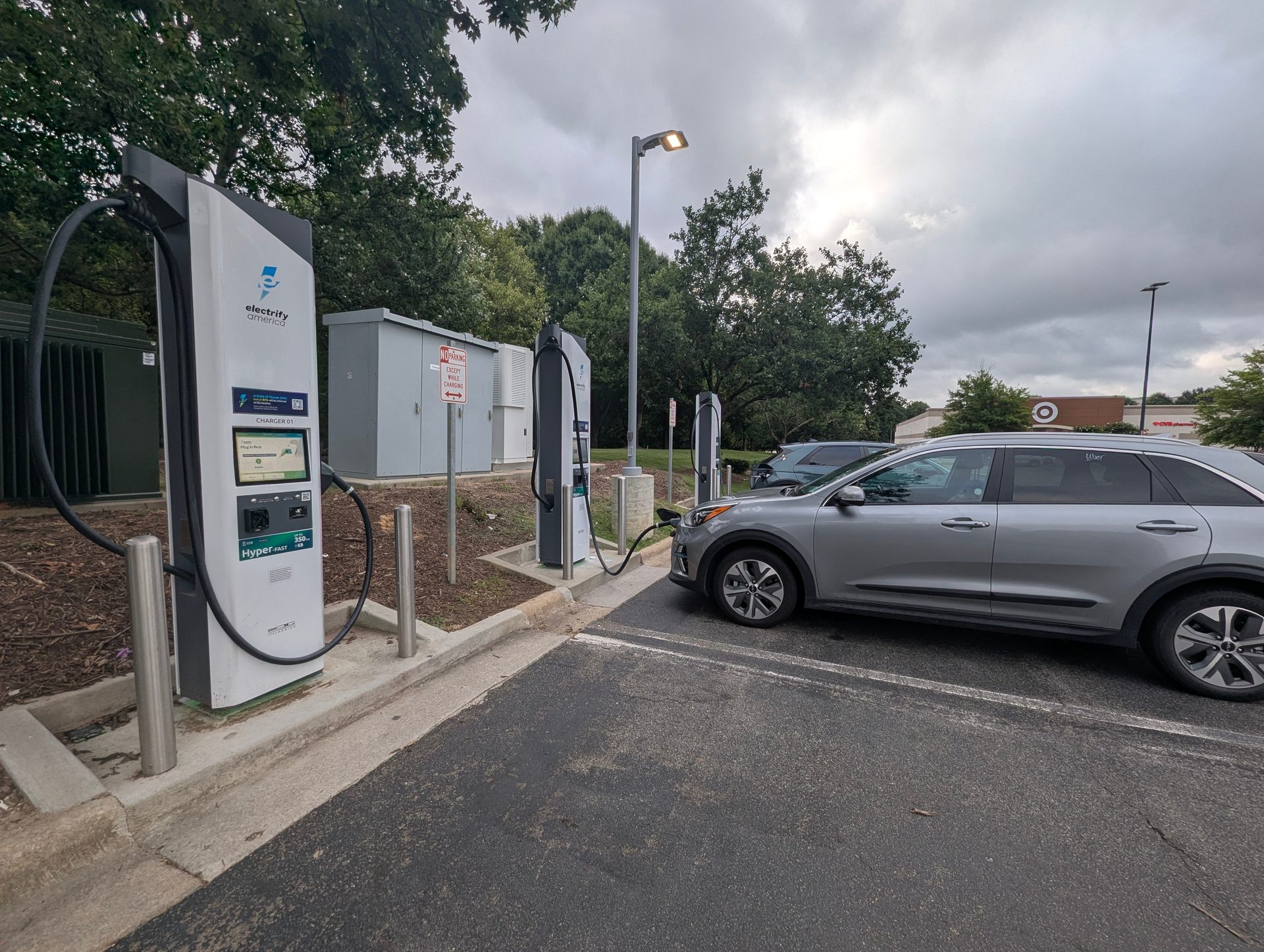
- Charge your EV after midnight
- Time pool pumps and pool heating outside the peak window
- Compare your usage pattern against the time windows before switching plans
Why time-of-use pricing matters more than ever
As more households add solar, batteries and EVs, and the grid relies more on renewable generation that peaks in the middle of the day, time-of-use pricing is becoming more common, with distribution networks increasingly assigning time-of-use tariffs to new smart meter installations.
Example scenario: a household moves its dishwasher, washing and EV charging into off-peak hours, keeping only cooking and essential use in the evening peak.
Is a time-of-use plan right for you?
Key takeaways
- Time-of-use rewards households that can shift usage
- If you can’t shift usage, a flat rate may suit better
- Check your own usage pattern before switching
Peak, off-peak and shoulder rates compared
| Period | Typical times | Price | Best for |
| Peak | Late afternoon and early evening | Highest | Essential use only |
| Shoulder | Moderate-demand periods between peak and off-peak (times vary by plan) | Middle | Flexible daytime tasks |
| Off-peak | Overnight, sometimes midday | Lowest | Dishwashers, washing, EV charging, pool pumps |
Time-of-use pricing: what’s next?
If your household is mostly out during the day and home during peak hours with limited ability to shift usage, a flat-rate plan might still suit you better. The key is checking your own usage pattern against the time windows on offer before you switch.
Related reading
- Understanding Demand Tariffs in Australia: A Comprehensive Guide
- Daylight Saving Energy Tips Australia: Small Time Shifts, Real Savings
- Air Conditioning Cost Saving Summer Guide: Settings That Won’t Blow the Budget
- EV Road Trip Charging Australia: How to Plan Your Highway Route
- Compare residential electricity and gas plans
- EVMax plan for EV owners
About CovaU Energy
CovaU Energy is a 100% Australian-owned company providing electricity and gas to homes and businesses across Australia. We offer competitive energy plans, top-rated 24/7 customer service, and no lock-in contracts. We also have incredible rewards for our new and existing customers. For more information about our electricity and gas plans, call 1300 111 688 to talk to our energy specialists or request a quote for the rates in your area. You may also compare plans and sign up here directly.